Pumpkins, Witches, & Wandering Spirits: How Halloween took Root in America
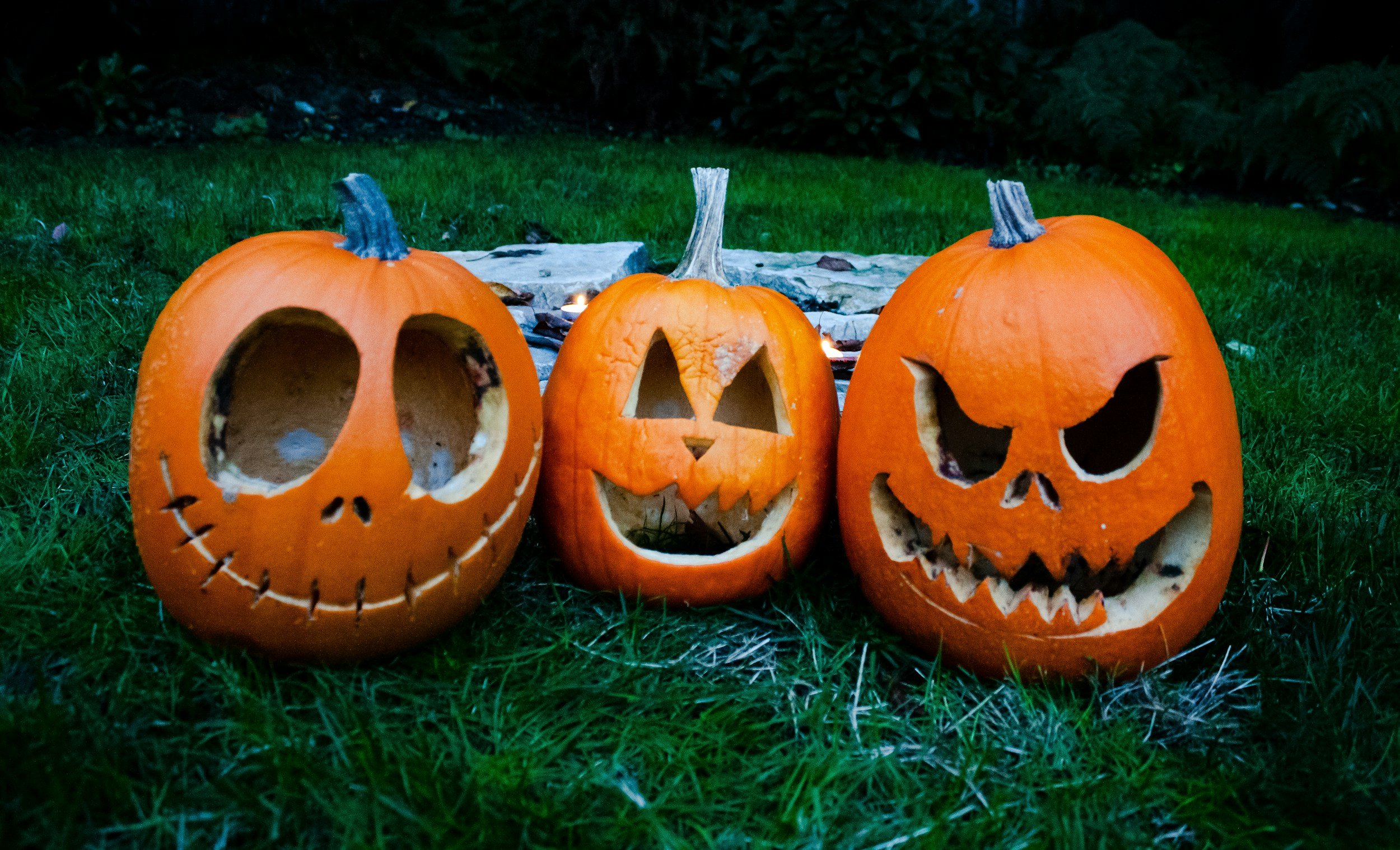
image - Taylor Foss
Halloween didn’t stroll of the boat and straight into costume the moment it hit American shores.
Early colonial life was a patchwork of customs and traditions carried from other lands. Puritan New England wanted nothing to do with a holiday that smelled faintly of paganism. Other regions, settled by Irish, Scottish, and English immigrants, kept their autumn traditions humming along quietly - storytelling by firelight, fortune-telling games, harvest parties, and the occasional bit of mischief-making. It wasn’t until the great wave of Irish immigration in the 19th century, that Halloween found its footing and started becoming something recognizably & unmistakably American.
That transformation happened, fittingly, on a farm. Old World customs met a New World harvest with pumpkins sprawling in the field, corn stalks bundled into shocks, apples ripe for bobbing, scarecrows keeping their watch over it all. Halloween grafted itself onto the rhythms of the American autumn so completely that even as the holiday moved into cities and suburbs, it never quite let go of its rural roots. Hay bales on porches. Cornstalks tied to lamp posts. The whole aesthetic is a love letter to the harvest.
Out of that blending came Halloween’s now iconic cast of symbols: pumpkins glowing on doorsteps, witches on broomsticks, black cats slinking through the shadows, ghosts and skeletons rattling around front lawns, bats and owls overhead, and everywhere that unmistakable palette of orange and black. Even candy corn, love it or loathe it, earned it’s spot as a distinctly American seasonal invention.
But no symbol tells the story of old world life and legend evolving into modern day Halloween better than the jack-o’-lantern.
The legend goes back to Irish & Scottish folklore, to a crafty, hard-drinking fellow named Stingy Jack, who tricked the Devil more than once. Story has it that when Jack finally died, neither Heaven nor the Devil would take him. Cast out to wander the earth forever, Jack was tossed a single burning coal to light his way through the dark. He tucked it into a hollowed-out turnip, and he’s been roaming the earth with it ever since. As one old Irish tale puts it, folks who spotted a strange light flickering over the bogs at night simply called it “Jack of the Lantern.” This is where the term ‘jack-o’-lantern” derived.
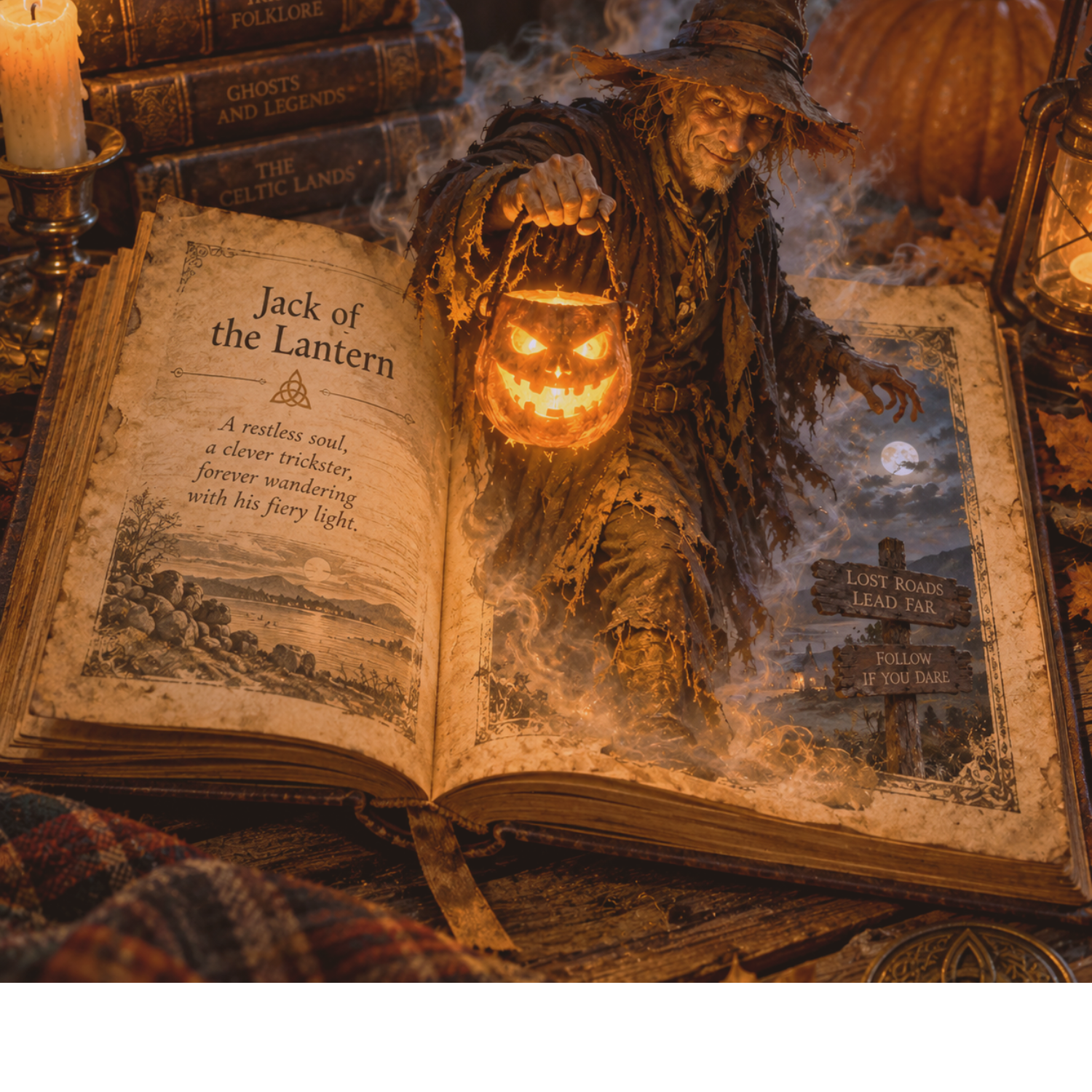
Back in Ireland and Britain, people carved their own turnips and beets to keep Jack, and whatever else might be wandering, away from the door. But when Irish immigrants arrived in America, they discovered a vegetable practically build for the job - the pumpkin. The pumpkin was bigger, softer, easier to hollow and dramatically better when a candle flickered inside it. The pumpkin didn’t just replace the turnip - it upgraded the entire tradition.
And that, really, is the story of American Halloween in miniature. Nothing got erased; it all got adapted. The old beliefs about wandering spirits, protection, and the turning of the season didn’t disappear, they just found new vegetables, new landscapes, and new company to keep. The jack-o’-lantern sitting on your porch this October is a geniunely American crop, still carrying a centuries old European flame.